
Overview
What is a Clarifier System?
Bharti Enviro's clarifier systems combine tube/lamella settler technology with automated sludge-rake mechanisms to deliver consistent turbidity reduction from raw water sources with high suspended-solid loads. Units are engineered for continuous duty in drinking-water, industrial cooling, and pre-treatment applications, with surface overflow rates optimised for site-specific raw-water quality.
Key Features
- Lamella inclined-plate modules increase effective settling area by 6–8× over conventional designs
- Automated peripheral-drive sludge rake with adjustable torque protection
- Stainless-steel 304/316L or FRP construction options for corrosive feed water
- Turbidity outlet guaranteed ≤ 5 NTU at design peak flow
Technical Specifications
Engineering Parameters
- Capacity range
- 50 m³/day – 500 MLD
- Inlet turbidity
- Up to 5,000 NTU
- Outlet turbidity
- ≤ 5 NTU
- SS removal efficiency
- ≥ 98%
- Material of construction
- MS (FBE coated), SS 304/316L or FRP
- Design standard
- IS 4097 / AWWA C710
Specifications are indicative. Final parameters confirmed during engineering review.
Process
How the Clarifier System Works
Raw Water Inlet
Raw water enters the inlet zone through a distribution channel that evenly distributes flow and dissipates kinetic energy.
Coagulation & Flocculation
Coagulant and flocculant chemicals are dosed to aggregate fine suspended particles into large, fast-settling flocs.
Lamella Settling
Water rises through inclined lamella plates; flocs settle on plate surfaces and slide down to the sludge hopper.
Clarified Water Outlet
Clarified water overflows the effluent weir, collected in a launder trough and discharged to the next treatment stage.
Benefits
Why Choose Our Clarifier System?
Consistent Water Clarity
Lamella plates multiply settling area, delivering outlet turbidity ≤ 5 NTU even during raw-water quality spikes.
Lower Operating Cost
Automated sludge rake and reduced footprint cut manpower and civil construction costs versus conventional clarifiers.
Protects Downstream Units
Removing suspended solids upstream prevents fouling of RO membranes, filters, and heat exchangers — extending their service life.
Flexible & Scalable
Modular lamella inserts allow capacity expansion without replacing the tank, protecting your capital investment.
Gallery
Installation Gallery
Auto-rotating — hover to pause, click thumbnails to jump, expand for full view.
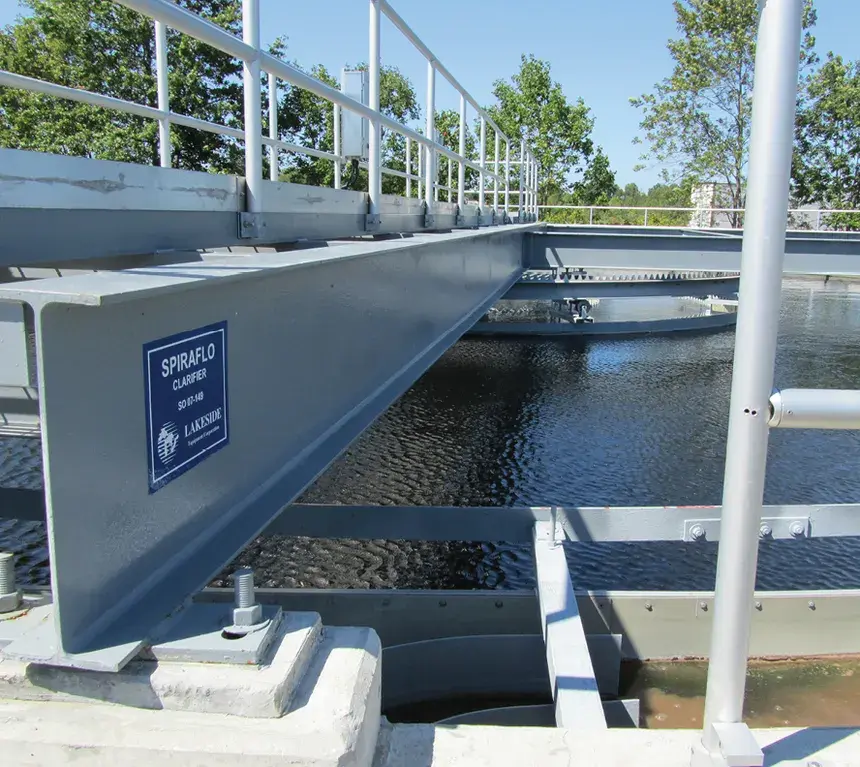
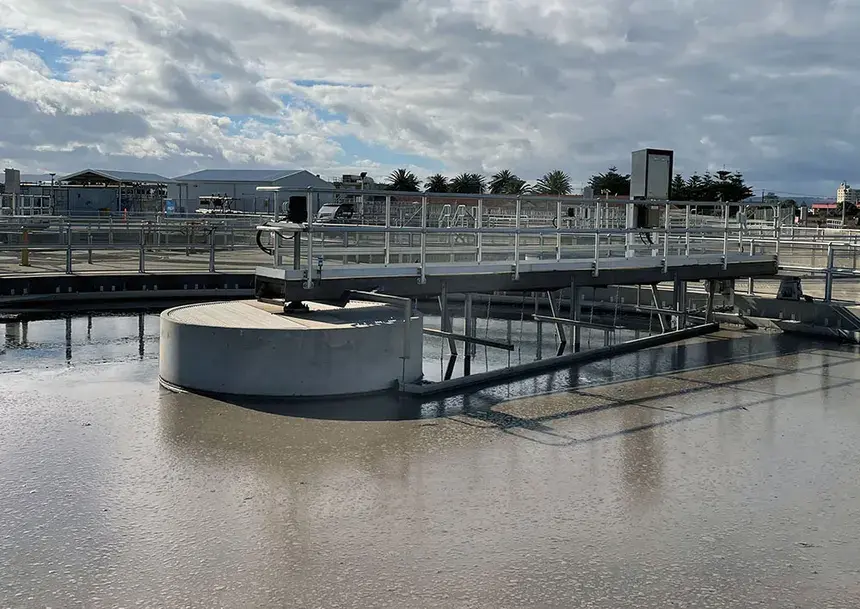
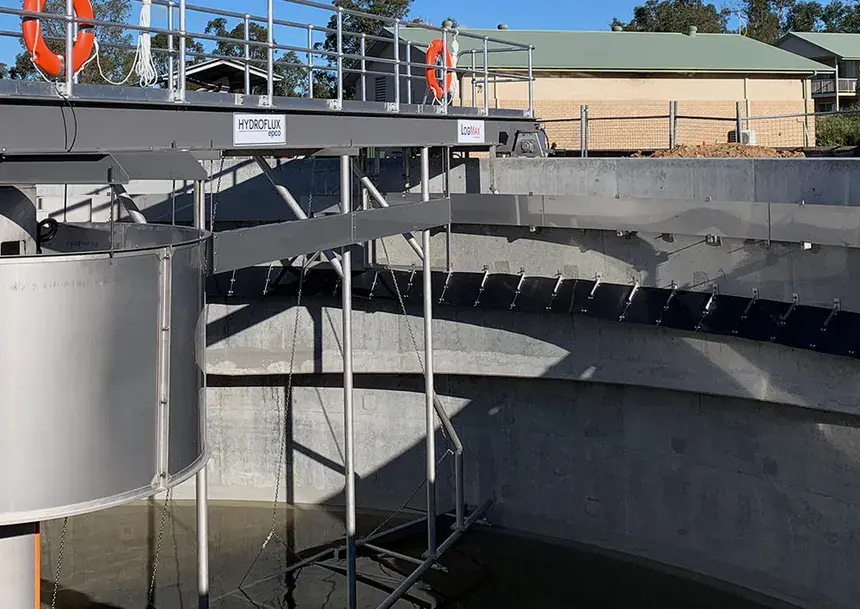
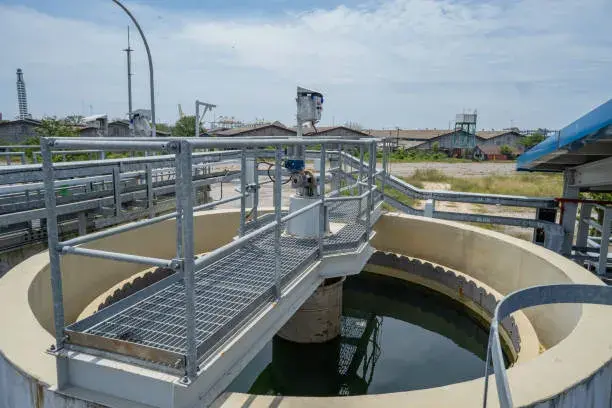
Applications
Industries Served
Our Clarifier System is deployed across a wide range of industrial and municipal applications.
FAQ
Frequently Asked Questions
What is the difference between a lamella clarifier and a conventional clarifier?
A lamella (tube/plate settler) clarifier uses inclined plates to create a much larger effective settling area within the same tank footprint, typically achieving 6–8× the throughput of a conventional unit for the same civil size.
What inlet turbidity can your clarifiers handle?
Our units are designed for inlet turbidity up to 5,000 NTU. For extreme peak loads, we add a pre-sedimentation chamber or flash mixer upstream.
Can the clarifier be used as a standalone system?
Yes, but it is most effective as the primary treatment stage before pressure sand filters, RO, or softeners. Standalone use suits applications where turbidity removal alone meets the discharge or reuse standard.
What materials of construction are available?
We fabricate in mild steel with FBE coating for most applications. Stainless steel 304 or 316L is available for corrosive or food-grade streams, and FRP for highly acidic or coastal environments.
How is sludge removed?
A peripheral or central motorised rake continuously sweeps settled sludge to a hopper at the base. A sludge pump or hydrostatic head then discharges it for dewatering or disposal.